
Have you ever wondered if your computer knows when you’re happy, sad, or frustrated? What if I told you that right now, artificial intelligence can actually “see” your emotions better than some of your friends can? Welcome to the fascinating world of neuromarketing, where AI has learned to peek inside our emotional responses & use that information to sell us stuff.
Picture this: You’re scrolling through your favorite social media app, & suddenly an ad pops up for that exact thing you were thinking about buying. Creepy coincidence? Not really. Companies are using super smart AI systems that can read tiny changes in your face, track where your eyes look, & even measure your heart rate to figure out what makes you tick emotionally. These digital detectives are getting so good at reading our feelings that they’re changing how businesses talk to us forever.
This isn’t science fiction anymore – it’s happening right now, & it’s EVERYWHERE. From the apps on your phone to the websites you visit, AI is quietly studying your emotional reactions to make advertising more powerful than ever before. The question isn’t whether this technology exists – it’s whether you’re ready to learn how it works & what it means for your daily life. Let’s dive into this amazing yet slightly scary world where machines have become emotion experts.
The Science Behind AI Reading Emotions
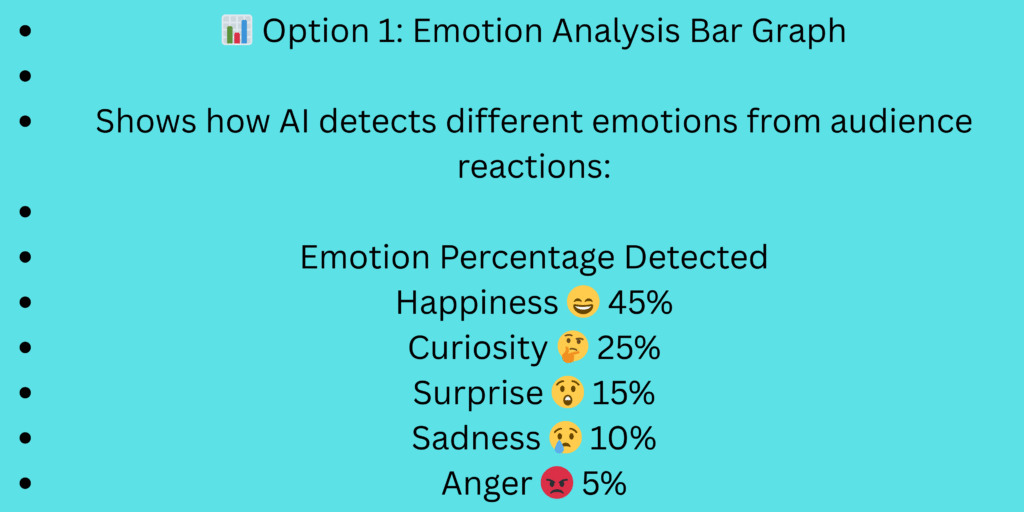
Think of your face as an open book that AI can read faster than you can blink. Every time you smile, frown, or raise an eyebrow, you’re sending out signals that smart computers can now understand. Scientists have discovered that humans make over 10,000 different facial expressions, & artificial intelligence has learned to recognize most of them with incredible accuracy.
The technology works by using special cameras & sensors that capture tiny movements in your facial muscles. When you’re happy, the corners of your mouth turn up & your eyes might crinkle a bit. When you’re confused or upset, your forehead wrinkles & your eyebrows move closer together. AI systems have been trained on millions of photos & videos of people showing different emotions, so they’ve become REALLY good at spotting these patterns.
But faces aren’t the only thing these systems watch. Modern neuromarketing AI also tracks your eye movements to see what grabs your attention. If you stare at a red button longer than a blue one, the computer notices. If your pupils get bigger when looking at certain images, that tells the AI something important about your interests. Some advanced systems can even detect changes in your skin temperature & heart rate through special cameras – no wires needed!
What makes this technology so powerful is how FAST it works. While you’re still processing what you’re seeing, AI has already measured your emotional response & decided what to show you next. It’s like having a super-smart friend who knows exactly what you’re feeling before you do, except this friend is trying to sell you something.
How Companies Use Emotional Data
Companies have discovered that emotions are like a secret key that unlocks our wallets. When businesses understand how we FEEL about their products, they can create advertisements & experiences that hit us right in the feelings. This emotional targeting is so effective that it’s completely changing how marketing works.
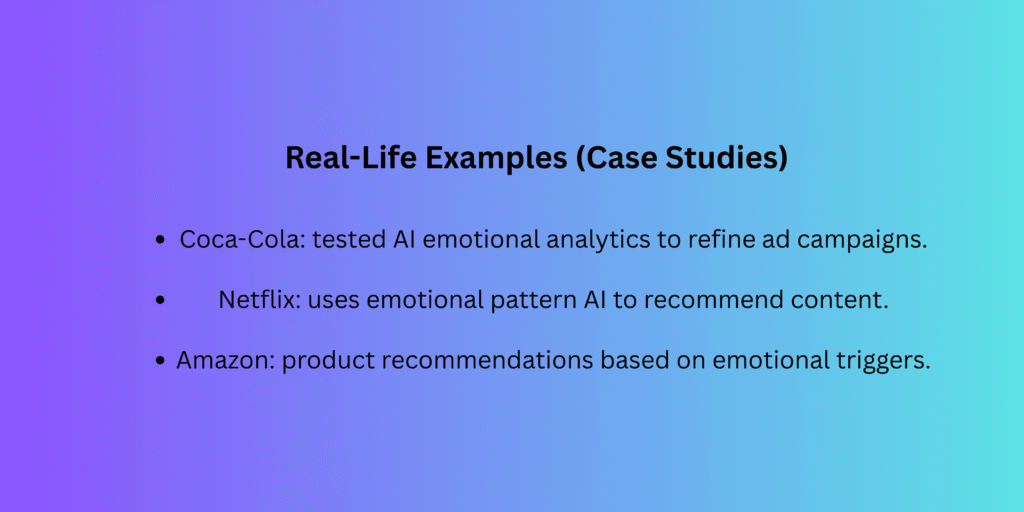
Netflix is a perfect example of this technology in action. The streaming giant doesn’t just track what shows you watch – it measures how you react while watching them. Do you pause during scary scenes? Do you fast-forward through romantic parts? Are you more likely to binge-watch comedies when you’re stressed? All of this emotional data helps Netflix decide what to recommend next, creating those eerily accurate suggestions that seem to read your mind.
Social media platforms take this even further. Facebook, Instagram, & TikTok use AI to analyze not just what you post, but HOW you react to other people’s content. They measure how long you look at different types of posts, which emotions show on your face while scrolling, & even how your scrolling speed changes based on your mood. This information helps them show you content that will keep you engaged & more likely to click on ads.
Retail companies are also jumping on the emotion-reading bandwagon. Some stores now use cameras with AI to watch shoppers’ faces as they browse products. If the system detects confusion or frustration, it might send a store employee over to help. If it sees excitement when someone looks at an expensive item, it might display a special offer to encourage the purchase. Online shopping sites use similar technology through your webcam (with permission, of course) to see how you react to different products & prices.
The Good, The Bad, & The Concerning
Like most powerful technologies, AI emotion reading comes with both amazing benefits & some pretty worrying downsides. On the positive side, this technology can make our digital experiences much more enjoyable & personalized. Imagine educational apps that can tell when you’re getting frustrated with a lesson & automatically provide extra help, or video games that adjust their difficulty based on your stress levels.
Healthcare is another area where emotional AI could be incredibly helpful. Doctors could use these systems to better understand patients who have trouble expressing their feelings, especially children or people with certain medical conditions. Therapy apps are already using basic emotion detection to provide support when users seem upset or anxious. This could make mental health care more accessible to people who can’t afford traditional therapy.
However, the concerning aspects are pretty significant. The biggest worry is privacy – do we really want companies knowing our deepest emotional responses to everything we see? This technology creates incredibly detailed profiles of who we are as people, including information we might not want to share. What happens if this emotional data gets hacked or sold to the wrong people?
There’s also the question of manipulation. When companies know exactly which emotions drive our purchasing decisions, they can create advertisements that are almost impossible to resist. This is particularly worrying when it comes to vulnerable groups like children, elderly people, or individuals struggling with addiction. Are we creating a world where artificial intelligence knows how to push our emotional buttons better than we understand them ourselves? The answer might be yes, & that’s both fascinating & terrifying.
Looking Ahead: What This Means for You
The future of neuromarketing & AI emotion detection is racing toward us faster than most people realize. In the next few years, we’ll likely see this technology become as common as smartphones are today. Your car might adjust its music based on your mood during your commute. Your smart home could dim the lights when it detects you’re feeling stressed. Dating apps might use emotional analysis to suggest better matches based on how you really react to different types of people.
But here’s the thing – you don’t have to be a passive participant in this emotional data collection. Understanding how these systems work gives you the power to make informed choices about your privacy & digital life. You can turn off cameras & microphones when you don’t want to be analyzed. You can choose to use services that are transparent about their data collection practices. You can even learn to recognize when you’re being emotionally manipulated by advertisements.
The most important thing is staying aware & asking questions. When you see an ad that makes you want to buy something immediately, pause & think about why you’re feeling that way. When an app seems to know exactly what you want before you do, consider what data it might be collecting about your emotions. This isn’t about being paranoid – it’s about being an informed digital citizen in a world where machines are learning to read our hearts & minds.
As we move forward into this brave new world of emotion-reading AI, remember that knowledge is power. The more you understand about how these technologies work, the better you can navigate a future where artificial intelligence knows how you feel before you do. Stay curious, stay informed, & most importantly, stay in control of your own emotional data.

I have realized that in old digital cameras, special sensors help to concentrate automatically. These sensors regarding some cameras change in contrast, while others employ a beam with infra-red (IR) light, particularly in low lighting. Higher standards cameras sometimes use a blend of both techniques and could have Face Priority AF where the video camera can ‘See’ some sort of face and focus only in that. Thank you for sharing your ideas on this weblog.
??????