You’re scrolling through social media & suddenly see an ad that boldly declares “Made by REAL humans, not robots!” or “100% Human-crafted Content.” Welcome to the world of anti-AI marketing, where businesses are fighting back against the AI revolution by proudly waving their human flag. This movement isn’t just a trend – it’s becoming a full-blown marketing strategy that’s reshaping how companies talk to their customers.
The rise of anti-AI marketing comes at a time when artificial intelligence seems to be taking over everything from writing emails to creating art. Customers are starting to feel overwhelmed & maybe even a little scared about losing that human touch they’ve always valued. Some folks are getting tired of talking to chatbots, receiving AI-generated emails, & wondering if there’s a real person behind the brands they love. This creates a perfect opportunity for smart businesses to stand out by emphasizing their human side.
What makes this movement so INTERESTING is how it flips the script on traditional tech marketing. Instead of bragging about the latest AI features or automation tools, companies are now competing on how human they can be. They’re betting that customers still crave authentic connections, personal touches, & the creativity that only humans can provide. This shift is creating entirely new ways for brands to connect with their audience & build trust in an increasingly digital world.
The Rise of Anti-AI Marketing in Modern Business
Why Companies Are Choosing Humans Over Robots
The decision to embrace anti-AI marketing isn’t random – it’s a strategic response to real customer concerns & market gaps. Many businesses have discovered that their customers feel disconnected from brands that rely too heavily on artificial intelligence. When everything becomes automated, people start missing those genuine interactions that make them feel valued & understood.
Small businesses, especially, have found anti-AI marketing to be their secret weapon against larger competitors. While big corporations invest millions in AI technology, smaller companies can compete by offering something AI can’t replicate: genuine human care & attention. A local bakery might advertise “Hand-kneaded bread by our FAMILY bakers since 1952” – instantly creating warmth & authenticity that no AI system can match.
Creative industries have been particularly quick to adopt this approach. Writers, artists, musicians, & designers are emphasizing their human creativity as AI-generated content floods the market. They’re not just selling their products or services; they’re selling the human experience, emotions, & unique perspectives that went into creating them. A graphic designer might promote “Original designs born from human imagination, not computer algorithms.”
The trust factor plays a huge role in this movement. Many customers worry about AI making mistakes, lacking empathy, or simply not understanding their unique needs. Companies that emphasize human involvement are essentially promising their customers: “A real person cares about your experience & will make sure everything goes right.” This creates a sense of security & reliability that AI-heavy competitors might struggle to match.
The Strategic Advantages of Human-Focused Marketing
Anti-AI marketing offers several unique advantages that traditional tech-focused approaches can’t match. First, it creates emotional connections that resonate deeply with customers who feel overwhelmed by automation. When people see “Handcrafted by Sarah in Vermont” instead of “AI-optimized production,” they immediately feel more connected to the brand & the story behind it.
Brand differentiation becomes much easier with anti-AI marketing because most companies are rushing toward automation. By going the opposite direction, businesses can stand out in crowded markets where everyone else sounds the same. This counter-trend approach often generates more attention & word-of-mouth marketing because it feels fresh & unexpected.
Cost-effectiveness is another surprising benefit. While human labor might be more expensive per hour, anti-AI marketing often generates higher customer loyalty & premium pricing. Customers are willing to pay more for products & services that feel personal & authentic. This means companies can often charge higher prices while building stronger relationships with their customers.
Successful Anti-AI Marketing Strategies & Examples
Industry Leaders Embracing Human-Centered Approaches
Some companies have turned anti-AI marketing into an art form, creating campaigns that really resonate with their audience. Take the example of several clothing brands that now prominently display “Designed by Humans, for Humans” on their websites & packaging. They’re not just selling clothes; they’re selling the story of human creativity & craftsmanship behind each piece.
Local restaurants have jumped on this trend by advertising “Chef-created recipes” & “Handmade pasta by our Italian grandmother.” These messages immediately paint a picture of real people with stories, traditions, & passion for their craft. Customers can almost taste the difference between a meal prepared by a loving chef versus something that might have been processed or automated.
The service industry has seen some of the most creative anti-AI marketing campaigns. Hair salons advertise “Cut by experienced stylists who listen to YOUR vision,” while consulting firms promote “Strategic advice from real business experts, not algorithms.” These messages directly address customer fears about losing personal attention & getting generic, one-size-fits-all solutions.
Creative Content & Digital Anti-AI Marketing
Even tech companies have gotten in on the action, which might seem contradictory at first. However, some software developers now emphasize “Built by programmers who understand your REAL workflow needs” or “Customer support handled by actual humans who use our product daily.” They’re essentially saying that while they use technology, humans are still at the heart of what they do.
Online content creators have made anti-AI marketing a cornerstone of their brand identity. YouTubers, bloggers, & social media influencers frequently mention that their content is “100% human-created” & share behind-the-scenes glimpses of their creative process. This transparency helps build stronger connections with their audience & differentiates them from AI-generated content.
Artisan marketplaces & craft businesses have seen tremendous success with anti-AI marketing by emphasizing the time, skill, & personal attention that goes into each handmade item. They often include photos of the makers, stories about their craft traditions, & details about the creation process that make each purchase feel like supporting a real person’s livelihood.
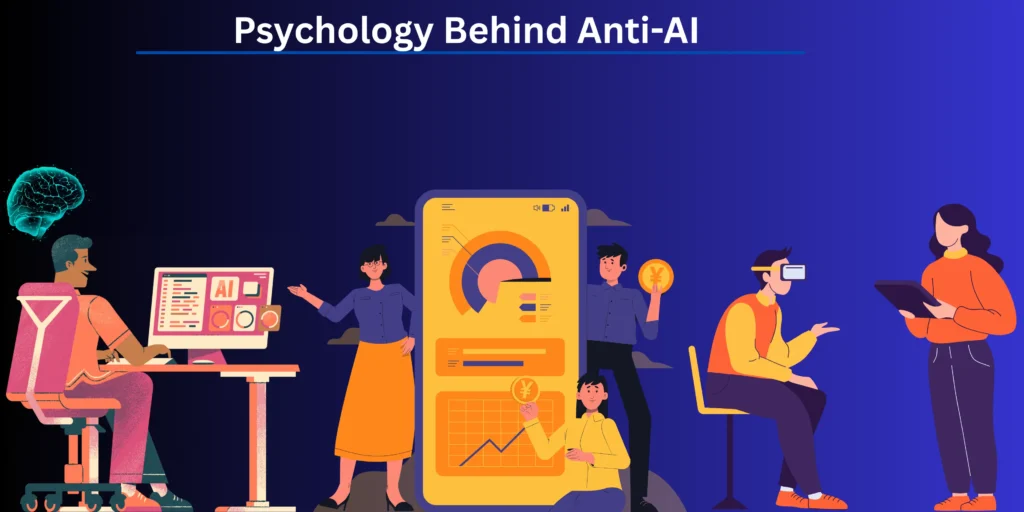
The Psychology Behind Anti-AI Marketing Success
Understanding Consumer Behavior & Human Connection
Understanding why anti-AI marketing resonates so strongly with people requires looking at some basic human psychology. People have always been drawn to authenticity & genuine connections. When faced with the possibility that their favorite brand might be run entirely by machines, many customers feel a sense of loss & disconnection.
Fear of replacement plays a significant role in this psychology. Many people worry that AI will eventually replace human jobs, creativity, & even relationships. When a company proudly states that humans are involved in their process, it reassures customers that they’re supporting human livelihoods & preserving jobs. This creates a positive emotional connection that goes beyond just buying a product or service.
Nostalgia is another powerful driver behind anti-AI marketing success. Many customers remember a time when everything was more personal – when they knew their local shopkeeper, when customer service meant talking to someone who actually cared, & when products were made with visible human effort. Anti-AI marketing taps into this nostalgia & promises to bring back those meaningful connections.
The Trust Factor in Human-Centered Branding
The desire for uniqueness also fuels this movement. In a world where AI can generate thousands of similar images, articles, or products in seconds, human-created items feel special & rare. Customers are willing to pay more for something that feels unique, personal, & created specifically for them by another human being.
Trust & reliability concerns cannot be overlooked either. While AI technology is impressive, it’s still prone to errors, biases, & limitations that humans can catch & correct. Customers feel more confident knowing that a real person reviewed their order, considered their specific needs, & made sure everything was perfect before delivery.
Anti-AI marketing also appeals to people’s desire to feel heard & understood. When customers know they’re dealing with humans, they believe their feedback will be taken seriously & their unique situations will be properly considered. This creates a sense of partnership between the brand & the customer that’s hard to replicate with automated systems.
Challenges & Future of Anti-AI Marketing
Overcoming Implementation Obstacles
Like any marketing strategy, anti-AI marketing faces its share of challenges & criticisms. One of the biggest issues is the question of authenticity – some companies might claim to be “human-powered” while still using AI behind the scenes. This creates potential trust issues if customers discover the disconnect between marketing messages & actual practices.
Cost is another significant challenge. Human labor is generally more expensive than automated systems, which means companies using anti-AI marketing might struggle to compete on price. They need to convince customers that the human touch is worth paying extra for, which isn’t always an easy sell in price-sensitive markets.
Scalability becomes a real problem as these companies grow. While a small business can easily maintain personal touches & human involvement, larger companies might find it impossible to keep up with demand without some automation. This creates pressure to compromise on their anti-AI marketing promises or limit their growth potential.
The Evolution of Human-Centered Marketing
Some critics argue that anti-AI marketing is just a temporary trend that will fade as AI technology improves & becomes more accepted. They believe that customers will eventually embrace AI solutions once they become more reliable & human-like. This creates uncertainty about the long-term viability of building a brand entirely around being anti-AI.
There’s also the risk of appearing outdated or backwards-thinking. Some customers, especially younger generations who grew up with technology, might view anti-AI marketing as resistance to progress rather than a positive selling point. Companies need to carefully balance their human-focused messaging without seeming like they’re stuck in the past.
As we look ahead, anti-AI marketing seems likely to evolve rather than disappear entirely. Smart companies are finding ways to blend the best of both worlds – using AI for efficiency while maintaining human touches where they matter most to customers. This balanced approach allows them to compete on cost & speed while still delivering the authentic experiences that customers crave.
The anti-AI marketing movement represents more than just a trend; it’s a reminder that humans still value authentic connections & genuine craftsmanship in our increasingly digital world. Whether you’re running a small business or managing marketing for a large corporation, there’s something to learn from this approach. The companies that will thrive are those that understand when to embrace technology & when to emphasize their human side. What matters most is being honest about your approach & delivering genuine value to customers who are looking for that special human touch in everything they buy.